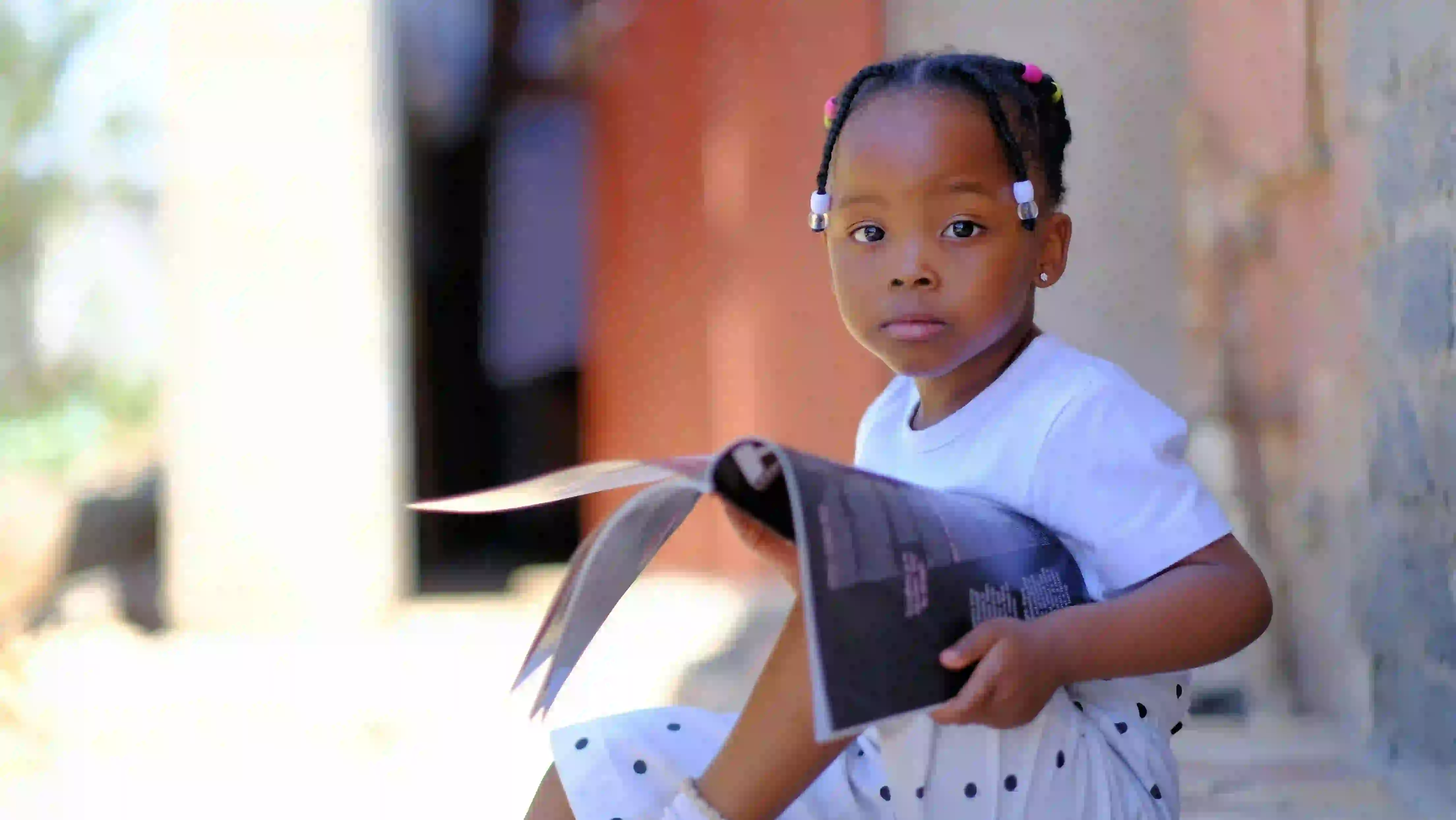
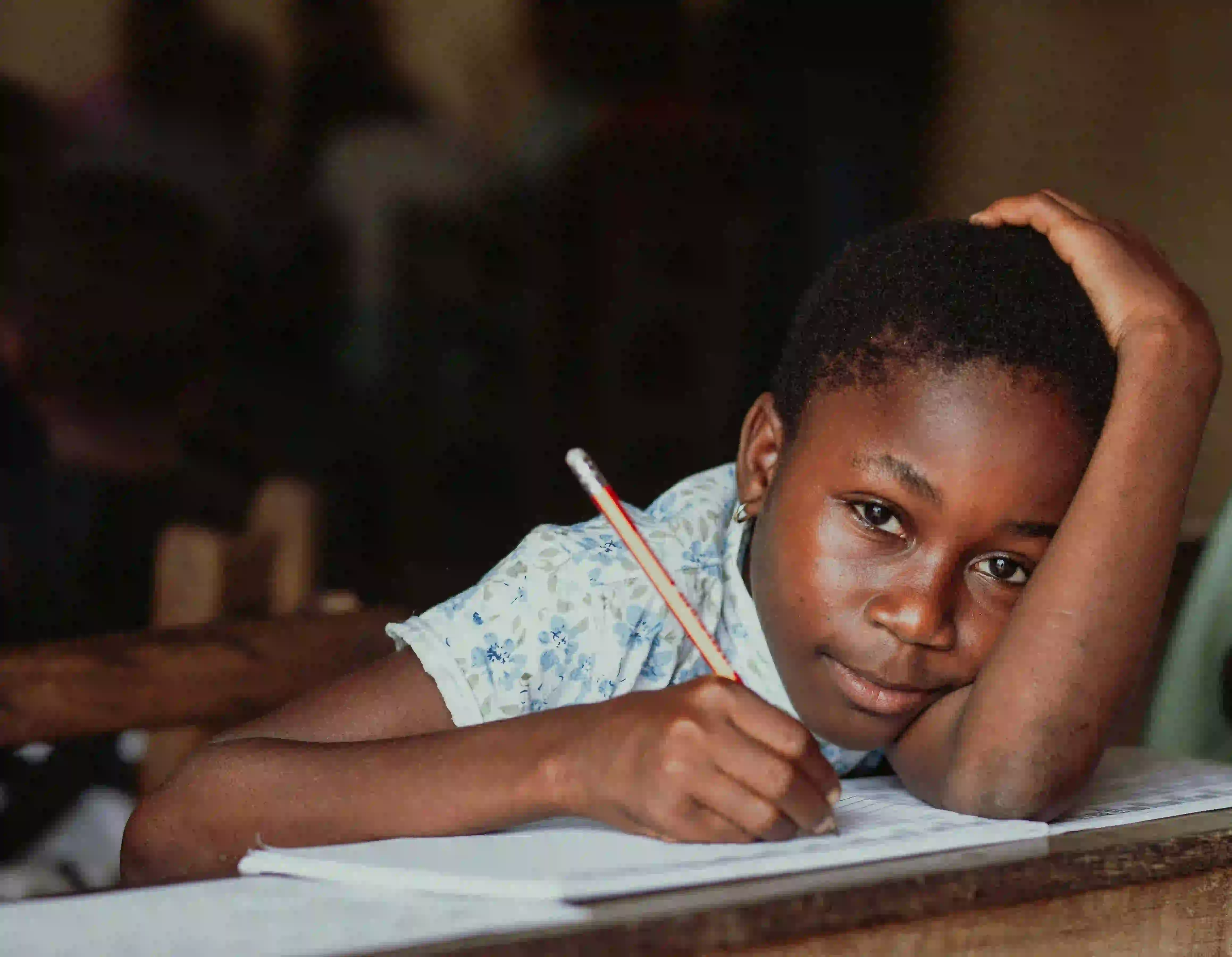
The rights themselves are not new. Kenya's Constitution recognises children as holders of rights, and the country is a signatory
to international instruments that spell out what those rights are. The work of a campaign is to close the distance between what
the law says and what happens in households, schools, and communities.
We run campaigns that raise awareness of children's rights across schools, households, and community spaces. We work with
religious leaders and elders to speak about the protection of children in their own words, so that the message carries weight in
the places where decisions are made. We hold sessions with parents and caregivers that help them understand what their children
are entitled to, and how they can protect them without fear. We work with children directly, so that they recognise when something
is wrong and know where to turn for help. And we advocate with local authorities to ensure that the laws that already exist are
enforced, not just declared. Each campaign is built around the specific beliefs and practices of the community where it runs,
because a campaign that does not speak to a community's own life will not change it.
Campaigns are not a one-time activity. They run over months and continue beyond any single funding period. Changing what a
community believes about children takes time, and the beliefs we are addressing have been held for generations. We plan for this.
We do not expect a campaign to change a community in a season. We expect it to begin a shift that continues as local voices carry
the work forward.