Building Policies That Actually Protect Children

Any organisation that works with children must be able to keep them safe. This is not a matter of good intentions.

It is a matter of policies, practices, and accountability systems that make it difficult for harm to occur and impossible for harm to be ignored when it does. A child safeguarding policy is the foundation on which that work rests. It sets out what is expected of every adult who comes into contact with children through the organisation, what happens when those expectations are not met, and how children themselves can raise a concern.

We work with schools and partner organisations to develop and implement child safeguarding policies. This is not a matter of handing over a template and asking them to sign it. A safeguarding policy that is not understood, not followed, and not enforced is not protection. It is paper. Our work is to make sure that the policy is known by every adult it applies to, that the practices required by the policy are actually in place, and that the systems for reporting and responding to concerns are working. We stay with our partners through the process of implementation, because the difference between a policy that exists and a policy that protects is the work that happens after the document is written.

What Safeguarding Requires

Codes of conduct for adults

Clear Codes of Conduct


How it works:

  • A child safeguarding policy begins with clear codes of conduct for adults. Every adult who works with children through an organisation — teachers, support staff, volunteers, visiting professionals — must know what behaviour is expected of them and what behaviour is not acceptable.
  • The code of conduct covers the obvious: no adult should ever harm a child, no adult should ever engage in a sexual relationship with a child, no adult should ever use physical punishment. It also covers the less obvious: how adults should interact with children in one-on-one settings, how physical contact should be handled, how communication with children should take place, and what to do when an adult finds themselves in a situation that could be misinterpreted.
  • A code of conduct that only addresses the obvious is a code of conduct that leaves the less obvious unaddressed, and the less obvious is where harm often begins.

We work with our partners to make sure that this happens, and we support them in building the internal capacity to maintain their safeguarding practice long after our direct support has ended.

Our commitment

Any organisation that works with children must be able to keep them safe. This is not a matter of good intentions — it is a matter of policies, practices, and accountability systems that make it difficult for harm to occur and impossible for harm to be ignored when it does.

Join us in safeguarding children

Help us build the policies, practices and accountability systems that keep children safe. Support our campaign, volunteer your time, or partner with us to strengthen child safeguarding across Kenya.

Every action counts—only a willingness to act is required.

Contact us
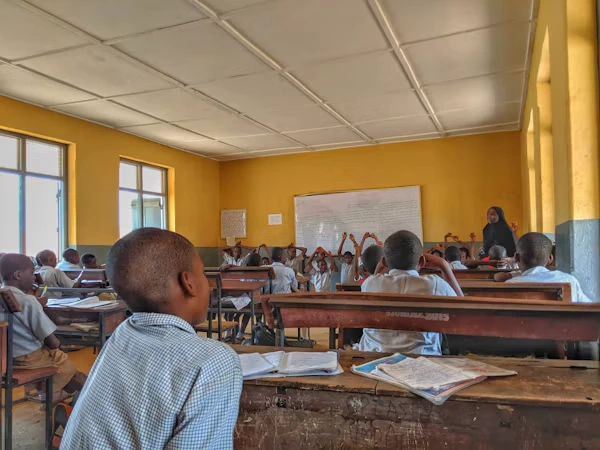
A school where child safeguarding policies are in place

Building policies that protect

Any organisation that works with children must be able to keep them safe. This is not a matter of good intentions.