Making Sure the Meal Arrives

School feeding programmes in Kenya are not guaranteed. They depend on funding that can be reduced, on supplies that can run out, and on decisions made in offices far from the schools that rely on them.

A school that has been providing meals to its pupils may find, without warning, that the programme has been scaled back, that the supply has not arrived, or that the funds have been redirected. When this happens, the children who relied on the meals are the ones who bear the cost. Some stop attending. Others attend hungry and cannot concentrate. The meal that the school had been providing becomes, in effect, a promise that has been broken. Our work on school feeding is therefore as much about advocacy as it is about delivery.

We work with county and national authorities to keep school feeding on the agenda. Feeding is often treated as a supplementary programme, one that can be trimmed when budgets are tight. We make the case that it is not supplementary. A child who has not eaten cannot learn. A child who does not know whether she will eat at school tomorrow cannot be expected to attend reliably. Feeding is a precondition for the education that the school system exists to provide, and it should be funded and managed accordingly.

Our Approach

Advocating for consistent funding

Advocating for Consistent Funding and Supply


How it works:

  • We advocate for consistent funding. The most common failure of a school feeding programme is not that it was never started. It is that it was started and then allowed to lapse, leaving children who had come to rely on it without the meal they had been receiving.
  • We press for funding that is committed in advance, protected from mid-year reductions, and disbursed on schedule. Where funding has been disrupted, we work with the authorities to restore it as quickly as possible and to prevent the disruption from recurring.
  • We advocate for predictable supply. Funding that is committed is not the same as food that has arrived. We work with the agencies responsible for procurement and distribution to ensure that supplies are delivered on time, that the quality of the food is acceptable, and that the quantities are sufficient for the children the programme is meant to reach.

The purpose of our work on school feeding is not to run feeding programmes ourselves. It is to make sure that the programmes that schools depend on are funded, supplied, and managed in ways that allow them to keep going. A child who receives a meal at school every day is a child who is more likely to attend, more likely to concentrate, and more likely to stay in school through the years when dropouts are most likely. The meal is not the education. It is what makes the education possible. Our advocacy on school feeding is part of making sure that children get both.
Our commitment

School feeding programmes in Kenya are not guaranteed. We work to make sure that the programmes schools depend on are funded, supplied, and managed in ways that allow them to keep going.

Join us in keeping school meals on the agenda

Help us ensure that every child receives a meal at school. Support our campaign, volunteer your time, or partner with us to strengthen school feeding programmes across Kenya.

Every action counts—only a willingness to act is required.

Contact us
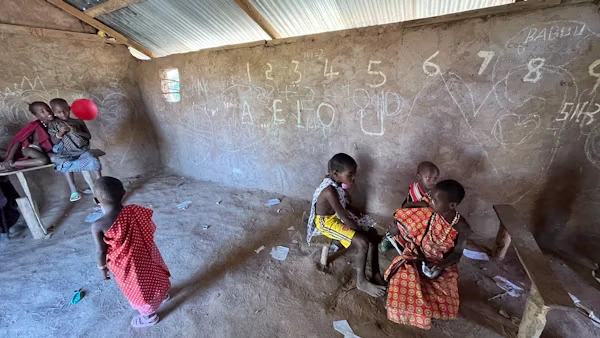
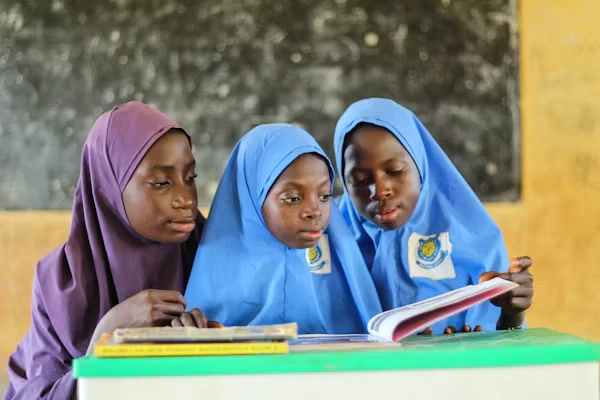
Children receiving a meal at school

Making sure the meal arrives

School feeding programmes in Kenya are not guaranteed. They depend on funding that can be reduced, on supplies that can run out, and on decisions made in offices far from the schools that rely on them.